
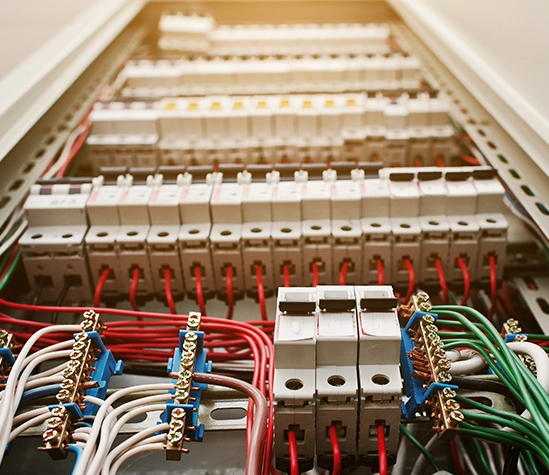
Low Voltage vs Medium Voltage – Which Do You Need?
Switchgear is the backbone of any electrical system. It controls, protects, and isolates electrical equipment, helping to keep operations safe and reliable.
At industrial sites like mines and factories, choosing the right switchgear can mean the difference between smooth production and costly downtime.
What is Switchgear?
In simple terms, switchgear is a combination of switches, circuit breakers, fuses, and other devices that manage power flow.
It detects faults (like short circuits or overloads) and quickly disconnects the problem area to prevent damage, fires, or injuries.
Low Voltage (LV) vs Medium Voltage (MV) Switchgear
Low Voltage Switchgear typically handles systems up to 1,000 volts (often 380V–690V in South Africa).
Key MV components in a typical renewable energy project include:
Common uses include motor control centres (MCCs), lighting, smaller pumps, conveyors, and general distribution in factories or plant buildings.
The advantages of using these switchgears include the fact that they are easier to install and maintain, more compact, and cost-effective for lower power needs.
These switchgears are mostly found in workshop areas, processing plants with smaller motors, underground auxiliary systems, or office/ancillary buildings.
Medium Voltage Switchgear operates from 1kV up to 36kV (commonly 11kV or 22kV in industrial settings).
Common uses include the main power distribution from transformers or utilities to large loads, substations, and heavy machinery.
The advantages of using these switchgears include the fact that it handles higher power loads efficiently over longer distances with better protection for large systems. Requires more robust insulation and safety features.
These switchgears are mostly used in the primary power supply to mining operations, large crushers, hoists, ventilation fans, processing mills, or containerised E-Houses/substations serving remote sites.
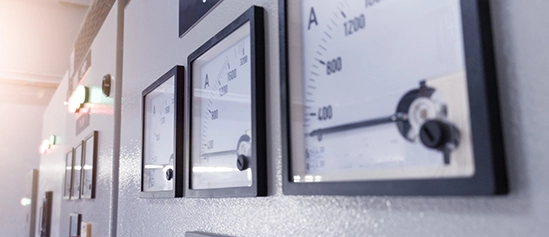
The Main Differences Between the Two Switches
- Voltage & Power Handling: LV for everyday loads; MV for high-power distribution.
- Size and Cost: LV is smaller and usually cheaper; MV needs more space and specialised expertise.
- Safety & Maintenance: Both are critical, but MV demands stricter arc-flash protection and trained personnel.
- Regulations: Must comply with SANS standards and local requirements for hazardous areas (common in mining and petrochemicals).
Which Do You Need?
It depends on your power requirements. Most sites use a combination: MV for incoming supply and main distribution, stepping down to LV for end-use equipment. Factors to consider include total load, expansion plans, site layout, and safety risks.
At PPE Tech, we design, manufacture, and install both LV and MV switchgear, including custom solutions like our M.V. Flex Build for indoor and containerised applications. Whether you need a full turnkey project or a retrofit, our team ensures compliance, reliability, and performance tailored to African industrial conditions.
Contact us for a professional assessment of your power needs.
Frequently Asked Question
What is the main difference between LV and MV switchgear?
LV handles up to 1,000V for smaller loads, while MV manages 1kV–36kV for larger power distribution.
Can I use only LV switchgear for my entire factory or mine?
Usually not for larger operations. High-power equipment and long-distance distribution often require MV.
How do I know if my site needs MV switchgear?
If you have large motors (> a few hundred kW), dedicated substations, or high total power demand, MV is likely needed.
Is MV switchgear more dangerous?
It requires stricter safety protocols, but properly designed and maintained systems are very safe.
Does PPE Tech manufacture both types?
Yes. We design, build, install, and maintain custom LV and MV switchgear solutions, including containerised options.


