


Signs Your Business is Ready to Move Away from Diesel Generators
There was a stretch of years when the low growl of a generator kicking in became the unofficial sound of a business staying alive.
Eskom has now gone more than a year without a single stage of load shedding, and that same generator often just sits there, tank half full, reminding you of a crisis that has eased. And on top of that, with the escalating diesel costs, even if load shedding were to return tomorrow, would starting up that generator actually cost more than it is worth?
If all of this sounds familiar, it’s perhaps fair to ask if the diesel generator still earns its keep, or whether it has simply become a habit nobody has broken yet.
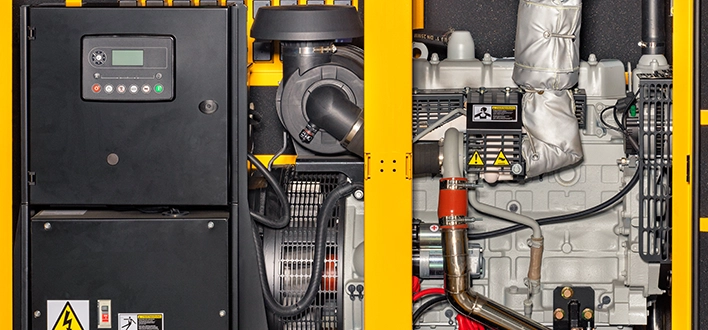
The 5 Signs it's Time to Rethink Diesel Power
Generators, including the workhorse diesel kind, have their uses, but technology and circumstances have changed so many that many companies consider them a thing of the past. If you too are having these thoughts, these are the signs that it might be time to rethink your backup power.
Your generator runs less than it used to
Eskom recorded over 400 consecutive days without load shedding by mid-2026, the longest run in nearly a decade.
A rig sized for daily 4-to-8-hour outages is now standby equipment for rare events, which means full maintenance and insurance costs for a fraction of the actual use.
Diesel costs swing without warning
South African diesel prices moved by more than R10 a litre within a few months in 2026, ranging from the low R20s to the mid R30s.
That kind of volatility makes budgeting for backup fuel closer to guesswork than planning, and guesswork gets expensive fast.
Your power bill is rising even without outages
NERSA approved an 8.76% Eskom tariff increase from April 2026, with a further 9.01% rise for municipal customers from July and more scheduled for 2027.
A generator solves outages, but it does nothing to stop the rising baseline costs, so a business managing both diesel and tariff increases is basically carrying two rising bills instead of one.
Maintenance and fuel security have become another job
Diesel systems need regular servicing, load testing and secure fuel storage to stay reliable, and stored diesel remains a target for theft on many sites.
When keeping the generator ready turns into someone’s unofficial part-time task, the setup is costing more than the electricity it produces.
Your business has outgrown the original setup
This is one of the most common signs of being ready to move away from the generator.
A generator sized for a smaller footprint, fewer machines or a different production line have a tough time scaling with the business growing around it.
Companies that have expanded since installing their original diesel setup often run the unit close to its limit, which shortens its lifespan and raises the risk of failure at the exact moment it is needed most.
Ultimately, The Right Mix Depends on Your Business
While it might sound like it, none of this makes diesel obsolete.
Some sites still need it, and getting the balance right depends on load profile, industry and how much risk a business can carry.
PPE Technologies has spent close to three decades designing power solutions for South African businesses, from diesel plant to solar and battery installations, and works out which mix actually fits an operation rather than the one that sounds fashionable.
Contact us today to find out more about what we can do for you.
Frequently Asked Questions
Is a diesel generator still necessary for a South African business in 2026?
Most businesses still benefit from backup power, since municipal faults and occasional risk periods remain possible even without national load shedding. The real question now is not whether to have backup power, but whether diesel alone is still the most cost-effective way to provide it.
How much does it cost to run a diesel generator each month?
Running costs depend on generator size, hours used and current diesel prices, which ranged from roughly R21 to R34 a litre in South Africa during 2026. Fuel, servicing and load testing typically make up the bulk of a generator’s monthly running cost.
What's the alternative to a diesel generator for a business?
Common alternatives include solar with battery storage, hybrid systems that combine solar, battery and a smaller diesel unit, and grid-tied battery backup. The right choice depends on daily power use, available budget and how much backup capacity the business genuinely needs.
How long do diesel generators typically last?
A well-maintained industrial diesel generator typically lasts 15 to 20 years, or around 10,000 to 30,000 running hours, depending on load and servicing. Poor maintenance or extended running near full capacity can shorten that lifespan considerably.
Should a business replace its diesel generator or move to hybrid power?
This depends on load profile, existing infrastructure and budget, so a site-specific energy assessment is the most reliable way to decide. A qualified electrical engineering partner can compare running costs and recommend whether replacement, upgrade or a hybrid setup makes the most sense.


